In East Tennessee, summer is LONG. Every year, I see the same meme circulating my newsfeeds, outlining Tennessee’s 12 seasons, and nearly half of the tongue-in-cheek descriptions of each phase in the cycle are dedicated to the six months of heat we experience here. There’s “summer,” “still summer,” “hell’s front porch,” “false fall,” and “second summer” or “summer, the sequel.” Yet every year, the same people who share, affirm, or laugh at this meme in August proclaim their undying love for the summer sun at the end of May. “Summer is FINALLY here!!!” they exclaim, forgetting that time a few short months ago, when we were all sweating bullets in our cardigans at Thanksgiving dinner or picking pumpkins on a 90 degree October day at the corn maze while peeling the photo-ready flannels off of our perspiration-drenched children. By the time school starts, even the champions of summer are dreaming about cool air and pumpkin spice, but at that point we still have another two months of summer weather to look forward to.
If it’s not already apparent to y’all, summer is not my jam. I hate the heat. I hate the steam blanket that covers the south from Knoxville down to the Florida pan handle for half the calendar year. I hate the disease-ridden swamp vampires that breed in my yard, infest my beloved Smoky Mountains, ruin evenings with their incessant buzzing, and defile my kids’ arms and legs with their tongue poison. I hate the vile, three-leafed itch-vines that creep into every garden, backyard, hiking trail, and campsite. Who can enjoy the outdoors in these conditions without a cool body of water involved?
People really love their summers, though, and in my experience, they do tend to go on about it quite a bit. Now I think it’s bad form to yuck someone else’s yum, and I consider myself a child of nature, so I like to welcome every season. I try to suffer the things that get me down about summer in silence and make the most of it. At least I don’t have to worry about school, and I do love to swim. Lightening bugs are pretty cool. People stay out later at night, so places don’t close as early. I recognize that there are aspects of summer worth celebrating, even if it’s my least favorite.
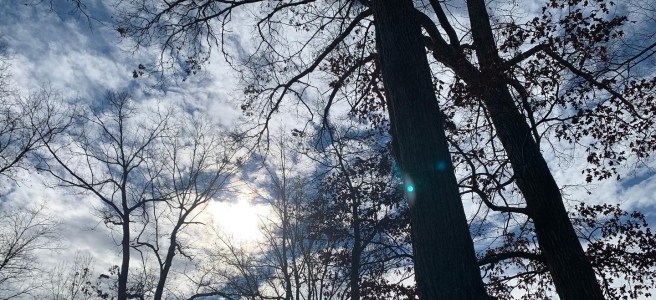
Being a lover of winter is lonely here. The general population seems to be very vocal about their hatred of this magical time of year, and frankly, it really bums me out. I mean, for one thing, we live in Knoxville. It’s not as if we are enduring life on the frozen tundra. Yesterday it was 70 degrees out in the middle of January, people. If you’re cold, light a fire – who doesn’t love sitting by the fire? Cuddle up under a cozy blanket and enjoy a warm beverage. If you don’t enjoy being outside in the cold, drive up to the Smokies, and drink in the snowy peaks from the comfort of your heated car. If the limited daylight is getting to you, light some candles, hang some twinkle lights in your yard, or go see the winter light displays in Pigeon Forge and Gatlinburg. Let me keep the cold, dark quiet; the frost, snow, and ice; and walks through the bare trees in the stark, mosquito-free air. I daresay we’ll still get some warm, spring-like days in February, and after all, winter is a brief and rare time in Tennessee.
The winter solstice is an astronomical event that connects us across cultural divides, and both ancient and modern celebrations honoring its arrival are prevalent around the world. It not only marks the beginning of the winter season, but the longest night of the year and the slow lengthening of sunlight in the days to come. The return of the sun is a focal point for most midwinter festivities. It is a time for leaving darkness behind and welcoming the light, both literally and metaphorically. Many people use the occasion as an opportunity to release their negative thoughts and feelings and set positive intentions for a new season. It is a largely secular holiday that is accessible to everyone and a chance to embrace our profound connection to nature and its cycles. Here are five ways to celebrate the winter solstice by observing the natural wonders of the season and by participating in rituals drawn from cultural traditions around the world.
1. Enjoy Seasonal Food and Drink
In Japan, many people eat kabocha squash for good luck as part of a traditional solstice practice called Toji.
Iranians celebrate Sheb-e Yalda by feasting on pomegranates, which are indigenous to Iran and believed to be a symbol of life and resilience, since they blossom in the harsh winter climate.
Dong Zhi is a Chinese winter celebration thought to mark the end of the harvest season that involves eating rice balls, known as tang yuan.
Ancient Roman Saturnalia and Germanic Yule both incorporated feasting into their festivities as well. The Romans ate foods that they had harvested during the autumn months, like honey and wheat, as well as dried fruits and nuts, and ancient pagans swore oaths upon the bristles of a wild boar before sacrificing and eating it.
The Incas made a sacred beer from fermented corn which they offered to the rising sun after three days of fasting.
Spiced cider, or “wassail” is a more prominently enjoyed beverage during this time of year with origins dating centuries back to pre-Christian Britain.
Prepare a winter solstice feast by borrowing from any of these rich traditions, or by simply indulging in the local fare of the season.
2. Observe a Light Ritual
Watch the sunrise. From Newgrange and Stonehenge in the UK to the late 18th and early 19th century Spanish mission churches in California and Latin America, to the Native American Woodhenge at the Cahokia Mounds of the Mississippi River area, people all over the globe gather to collectively revel in a rare sunrise, aligning with the features of these historical monuments for a spectacular few moments. Some, like those who celebrate Sheb-e Yalda or Soyal (the Hopi people of northern Arizona), even stay up all night awaiting the return of the sun. Whether or not the available viewing locations are designed to keep the solar calendar, watching a solstice sun rise is always a rewarding way to celebrate the event.
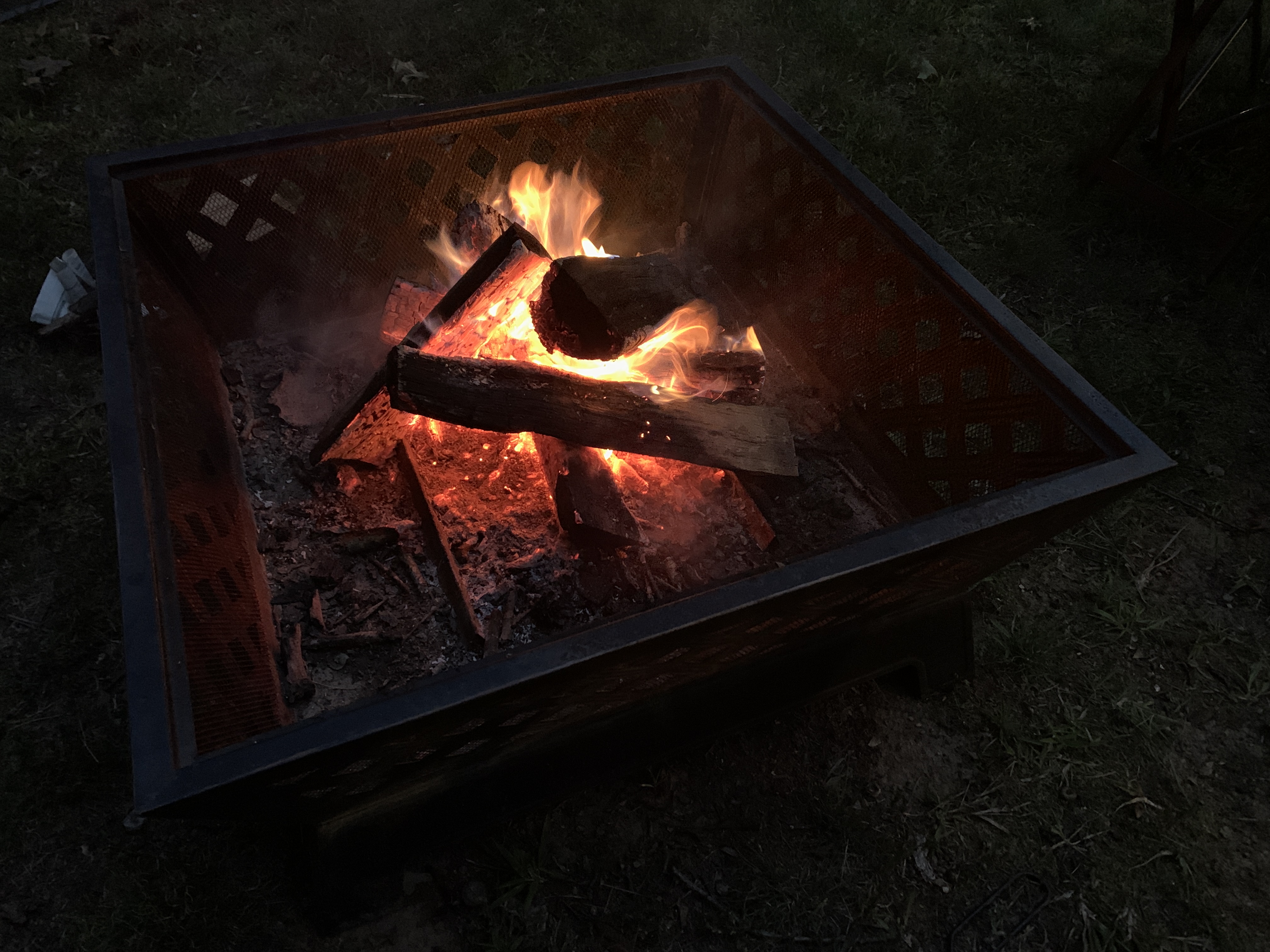
Choose a Yule log to burn in the backyard firepit or indoor fireplace or organize a bonfire. Out in the open or crackling from the hearth, fire can also bring light to any winter solstice ceremony. In Scandinavia, the St. Lucia’s Day festival honors one of the earliest Christian martyrs as a symbol of light. Lucia’s feast day blends naturally with earlier Norse solstice traditions involving the lighting of fires to ward spirits away and honor the god, Thor, who was thought to drive away frost and darkness. Girls in Scandinavia wear wreaths of candles on their heads, like the one St. Lucia wore to light her way as she delivered food to persecuted Christians hiding in Rome. Modern celebrations of Yule still often incorporate the ancient Germanic (or possibly even Celtic) practice of burning a yule log (or an entire Yule tree over the course of 12 days, as was once the custom). Traditionally, families placed a small piece of the burnt Yule log under the bed to bring good luck and protect their homes from the elements. They would then use this remaining piece to start the following year’s winter solstice fire.
Make lanterns or carry candles in safe holders for catching hot wax, and take a nighttime walk through the neighborhood or around the yard. Lantern walks are another form of light ritual associated with winter solstice celebrations. In Brighton, England, people march to the beach wearing costumes that represent clocks and the passage of time and carrying lanterns constructed of paper and wood for the modern-day Burning of Clocks festival. When they arrive, they burn the lanterns in a huge bonfire, where they will their wishes, hopes, and fears to pass into the flames.
Create a “Labyrinth of Light” with luminary bags. In Vancouver, Canada, the city’s Secret Lantern Society established a Solstice Lantern Festival, during which participants march throughout the city with lanterns they create in workshops beforehand. The festivities include fire performances and a maze of 600 candles known as the Labyrinth of Light, through which attendees can meander while contemplating thoughts and feelings they wish to leave behind and reflecting on new possibilities.
Have fun planning meaningful ways to incorporate light into your own winter solstice traditions.
3. Use Evergreen to Build a Yule Altar or Wreath
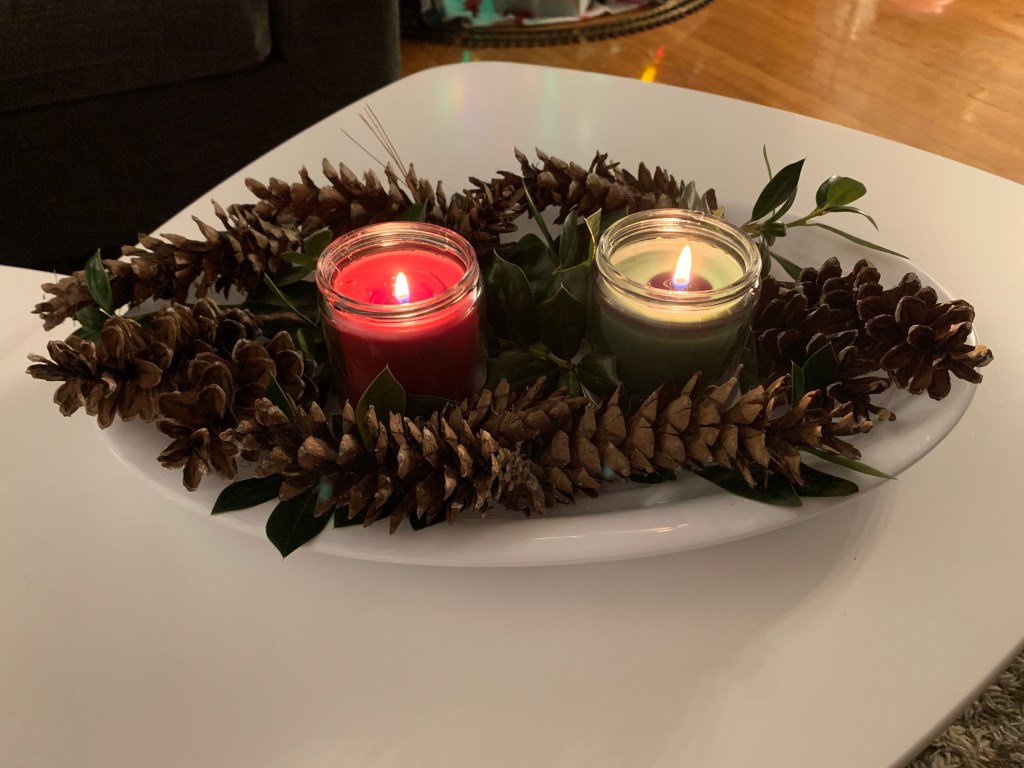
Besides being an obvious symbol of winter, the use of evergreen during winter holidays has ancient pagan roots and is associated with themes of continual life, prosperity, protection, and renewal. While hanging an evergreen wreath is a quintessential way to honor the season, try mixing it up by using the wreath as part of a yule altar. Place candles in the center of the wreath to represent the light of the sun, and add pinecones, sprigs of holly, or even mistletoe (a Celtic symbol of fertility and abundance). If wreath-making seems like a daunting task, simply arrange loose boughs of evergreen in an aesthetically pleasing way. The yule log could also serve as a base for an altar of evergreen.
4. Commune with Nature
The hunter/gatherer societies that originated many of these traditions spent most of their time outdoors, relying heavily on the cycles of the sun. Use this time to get touch with your wild roots.
Spend time soaking up the peaceful quiet of the winter trees and skies.
Take a hike in search of the sun’s elusive rays.
Collect pinecones, berries, and greenery for the previously mentioned evergreen arrangements.
At noon, the sun is directly overhead at the Tropic of Capricorn, and shadows stretch longer than they do at any other time of year. Kids, especially, might enjoy seeing how long their shadows look in the solstice sunlight.
Find a place that feels sacred, and be present in it, using all your senses to explore it. Bring a journal, and write down your thoughts about the experience.
5. Celebrate with Music and Language
Songs and storytelling were a part of many winter solstice celebrations, including those of the ancient Celtic and Nordic peoples, and the Indigenous people of North America. For many Native American tribes, storytelling was reserved for the winter months, since they spent the other seasons hunting, gathering, or growing food. In the Middle East, Yalda Night celebrants read poetry (especially the work of the 14th century Persian poet Hafiz) as part of their festivities.
Get creative by writing your own poetry or songs and spend some time telling stories with friends and loved ones by the fire. If you are having trouble finding your muse, try reading aloud the winter-related written works of others, or tell stories from mythology and folklore, like those of:
Beiwe – the Scandinavian goddess of health and fertility
The Cailleach – a Celtic goddess who ruled over the winds of winter
Grandmother Spider – a wise grandmother figure who taught the Navajo how to survive the brutal cold, stole fire for the Choctaw, and brought the sun to the Cherokee
For music, Traditional English wassailing songs are a good place to begin, but there is a plethora of recently recorded solstice music available for your exploration on any streaming service.
Personalize Your Celebration
Let this be your guide to creating your own winter solstice traditions. Have fun exploring customs from a variety of different cultures, and adopt the ones that work for you and yours. Recognize our deep connection to the rhythms and cycles of nature, and let it bring peace and comfort to your holiday season.


 J. Daugherty Nichols